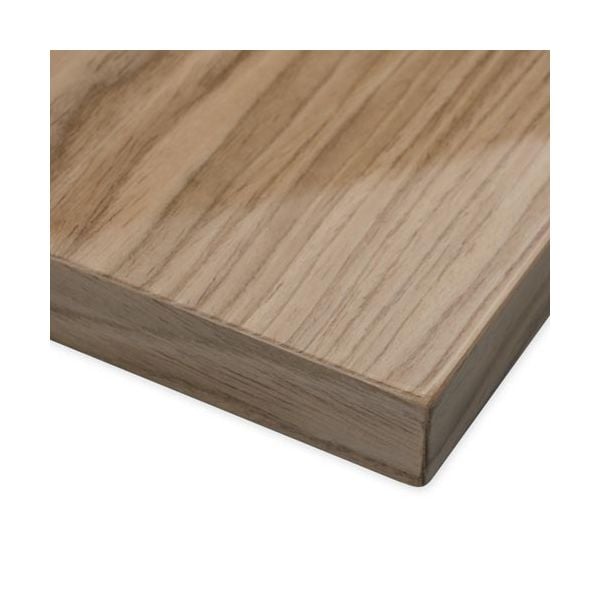
High Gloss Wood Veneer Wall Panels
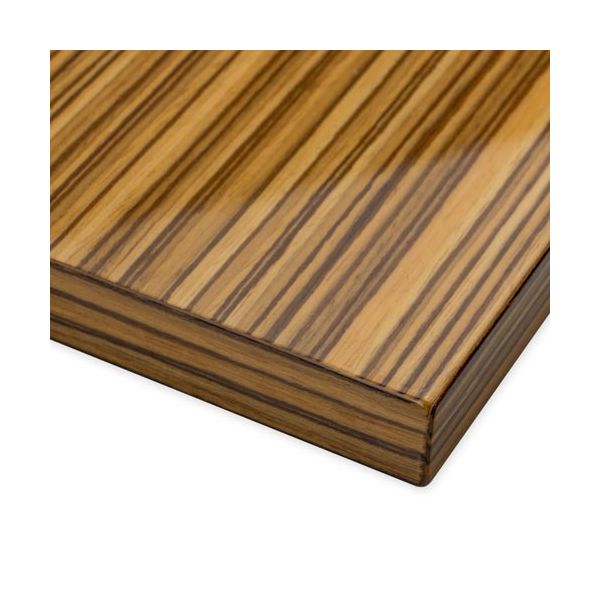
Real wood veneer with a clear acrylic high gloss coating. These panels bring genuine wood grain to any interior wall with a finish that reflects light and adds visual depth to the space. All panels are cut to your custom dimensions. If you already use our high gloss veneer cabinet doors, these panels are built from the same materials for a consistent look throughout the room.
About These Wall Panels
Each panel is built on an MDF substrate with a real wood veneer face. The veneer carries the natural grain of the species, and a clear acrylic coat goes on top to produce the high gloss surface. What you see is genuine wood with a polished, reflective finish layered over it.
MDF as the base keeps the panels dimensionally stable. Unlike solid wood, engineered panels with a veneer face are far less prone to expansion and contraction as humidity changes.
Each panel is edgebanded on all four sides in matching material, so exposed edges are clean without needing additional trim work.
These are interior decorative panels only. For acoustic wall panels, our slat wall panels serve that purpose instead.
Where to Use Them
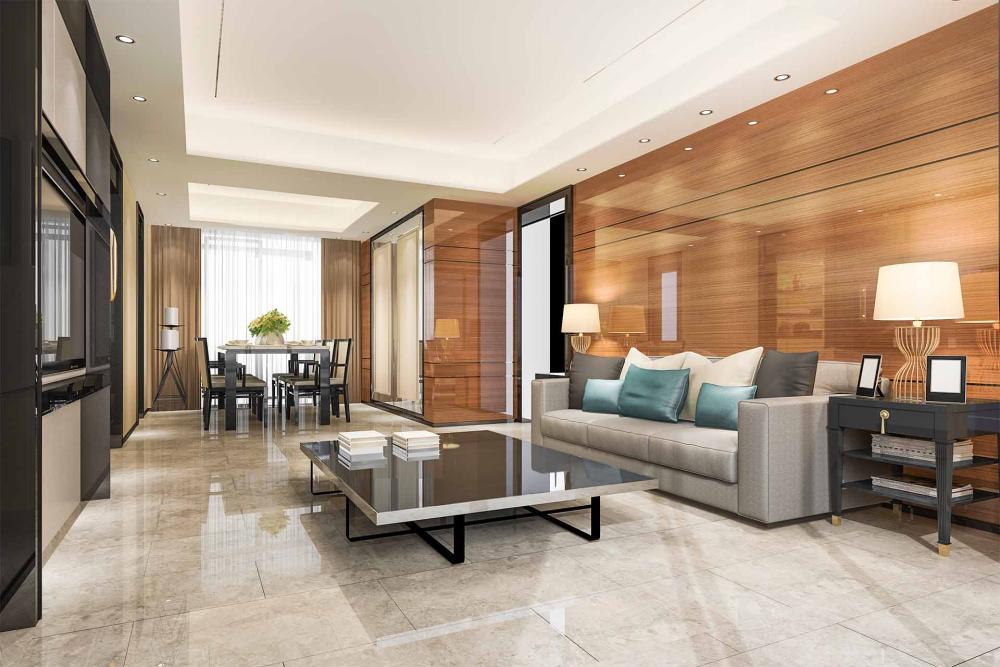
High gloss wood wall panels work well in any room where a feature wall makes sense. The reflective surface picks up ambient light, so the visual impact is strongest in spaces with good natural light, though they read well under artificial lighting too.
Common applications include living room accent walls behind a sofa or media unit, bedroom headboard walls, and hallway feature walls. In kitchens, keep these panels away from the range and cooking area. Heat and grease will damage the finish over time. Accent walls and island surrounds away from the cooking surface are better placements.
For bathrooms, the gloss surface handles light moisture and cleans easily, but direct shower and wet zones are not appropriate. A vanity wall or a dry feature wall works well.
If you are using our high gloss veneer cabinet doors in the same space, ordering matching species carries the wood grain and finish consistently from the cabinet faces to the walls. The same veneer, same coating, same edgebanding throughout the room.

The surface wipes clean with a damp microfiber cloth. Avoid abrasive pads or harsh products, which can dull the acrylic coat. In wall applications where the surface is not frequently touched, the finish holds up well with minimal maintenance.
Sizing and How to Order
All panels are made to order at custom dimensions. To get a quote, use the Quick Order Tool or contact us directly with your dimensions and preferred species. Minimum and maximum size limits are listed on each product page.
Samples are available for most species before placing a full order. This is the most reliable way to confirm the right species under your own lighting conditions. Single panels are available with no minimum order quantity.
All orders ship from Las Vegas, Nevada, to anywhere in the United States.
Frequently Asked Questions
What is a wood veneer panel?
A wood veneer panel is a decorative sheet built on an engineered substrate with a thin layer of real wood bonded to the face. The grain is natural rather than printed or simulated. In this collection, a clear acrylic coat is applied over the veneer to create the high gloss finish.
Can you put wood veneer on walls?
Yes. Wood veneer panels are a standard approach for decorative interior wall applications including accent walls, feature walls, and built-in cabinet surrounds. They are not suitable for exterior walls or areas with direct moisture exposure.
How are wood panels attached to walls?
The most common method is construction adhesive applied to the back of the panel and pressed against a clean, dry wall surface. For larger panels, a combination of adhesive and mechanical fasteners is typical. We recommend working with your installer on the right method for your wall type and panel size.
Which is better, wood veneer or laminate?
Wood veneer uses a real wood layer, so the grain is natural and each panel has its own character. Laminate uses a printed layer to simulate wood, so the pattern repeats and reads differently up close. Veneer is typically the choice when visual authenticity matters most.
What are the disadvantages of veneer panels?
The veneer layer cannot be sanded and refinished the way solid wood panels can. The acrylic coat can show fine scratches if cleaned with abrasive materials. The panels are also not suitable for exterior or wet zone use. For standard interior wall applications with routine care, these are not typically issues in practice.
Are these panels suitable for exterior use?
No. MDF does not hold up to outdoor moisture and will degrade over time. These are interior use only.