How to Measure for RTA Cabinets: Step-by-Step Guide
Getting ready to order ready to assemble cabinets for your kitchen? The most important step happens before you click "add to cart." Accurate measurements are what separate a smooth installation from a costly headache.
Measuring for rta cabinets isn't nearly as complicated as it seems. You don't need professional experience. What you need is a methodical approach, the right tools, and about an hour of focused time. This guide shows you exactly how to measure your kitchen space and avoid the mistakes that trip up first-time buyers.
Why Accurate Measurements Matter
A cabinet that's even half an inch too wide won't fit. A wall cabinet hung at the wrong height creates awkward gaps. Cabinet depth that doesn't account for baseboards means doors won't close properly.
Ready to assemble cabinets arrive as a kit based on your specified dimensions. Unlike custom cabinets where a contractor measures onsite, rta requires you to get the numbers right upfront. The precision you put into measuring directly affects how your finished kitchen looks and functions.
Beyond fit issues, accurate measurements help you maximize your kitchen layout. When you know your exact wall dimensions, ceiling height, and appliance clearances, you can plan a design that uses every available inch.
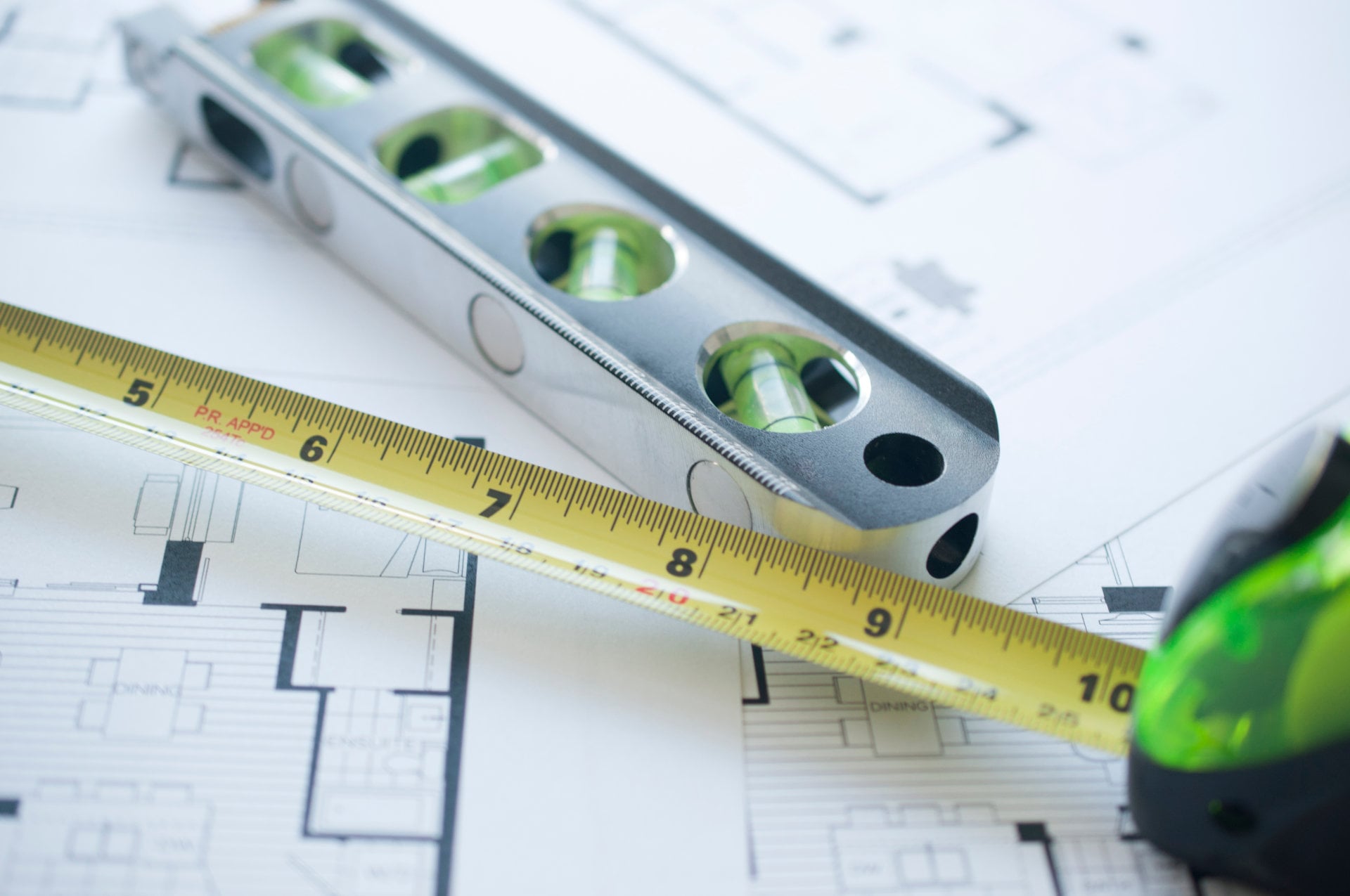
Essential Tools You'll Need
- Tape measure (25-foot minimum): Get one with a locking mechanism. A wider blade (at least 1 inch) is less likely to bend when measuring long spans.
- Laser measure: Helpful for quick wall-to-wall measurements and checking room dimensions.
- Level: Check if your walls, floors, and ceiling are actually straight. They probably aren't, and you need to know by how much.
- Notepad or app: Record everything. Take photos with measurements written on painter's tape stuck to walls.
Measure Your Kitchen Walls
Measure Your Kitchen Walls
Clear everything away from the walls so you can see the actual space. Remove old cabinets if doing a full remodel. Push appliances away from walls.
Measure wall length at multiple heights. Run your tape measure along the wall where base cabinets will sit (2-3 inches off the floor). Measure again at the height where wall cabinets will hang (around 54 inches up). Finally, measure near the ceiling.
Why three measurements? Walls are rarely perfectly straight. That wall might be 120 inches at the bottom but 119.5 inches at the top. Always use the smallest measurement when planning your cabinet layout.
Check corners with your level. Place it vertically in each corner to see if walls are plumb. Place it horizontally to check if walls meet at a true 90-degree angle. Many corners are slightly out of square, which affects how cabinets fit together.
Measure from walls to any obstacles including windows, doors, heating vents, electrical outlets, and plumbing access points. For windows, measure from the wall to both sides of the window frame, plus the height from floor to bottom and top of the frame.
Document Cabinet Height Requirements
Cabinet height depends on ceiling height and what you're storing. Standard base cabinets are 34.5 inches tall (36 inches with countertop). Wall cabinets typically range from 30 to 42 inches.
Measure your ceiling height at multiple points. Floors and ceilings often slope. You want the lowest ceiling measurement because that limits your tall cabinets.
Most kitchens have 18 inches between the countertop and bottom of wall cabinets. Adjust based on your height. Taller people might prefer 20 inches. Shorter people might want 15 inches.
Calculate what cabinet sizes fit your space. Take ceiling height, subtract 36 inches (base + counter), subtract preferred clearance, and subtract 1-2 inches for installation space. What's left is your maximum wall cabinet height.
Calculate Base Cabinet Dimensions
Standard base cabinet depth is 24 inches, which becomes 25-26 inches with doors and handles. If you have a galley kitchen, check that 24-inch cabinets leave enough room for traffic flow. You need at least 42 inches of clearance between opposite cabinet runs.
Measure for your sink base. Check where plumbing enters the wall. Measure from wall to center of drain pipe and from floor to pipe. This determines sink cabinet measurements. Most sink bases are 30, 33, or 36 inches wide.
Account for appliances between base cabinets. Measure your dishwasher, range, and built-in appliances. Don't rely on manufacturer's listed width alone. Measure the actual appliance including handles and protrusions. Add 1/4 to 1/2 inch on each side for clearance.
Common Measuring Mistakes to Avoid
- Measuring only once. Always measure twice. Small errors compound quickly when ordering multiple kitchen cabinets.
- Forgetting irregularities. Walls aren't straight. Measure at multiple heights and use the smallest number.
- Ignoring door clearances. Cabinet doors need room to open fully. Make sure doors won't hit walls or appliances, especially at corners.
- Not checking floor level. Sloped floors require shimming during installation, affecting wall cabinet placement calculations.
- Forgetting molding and trim. Baseboards, crown molding, and window trim all protrude from walls and affect cabinet fit.
Understanding Standard Cabinet Sizes
While custom sizing is available for ready to assemble cabinets at 27eStore, knowing standard sizes helps with planning.
Base cabinet widths come in 3-inch increments: 12", 15", 18", 21", 24", 27", 30", 33", 36", up to 48 inches. The most common sizes are 24", 30", and 36". Sink bases range from 30" to 48", with 36" most popular.
Wall cabinet widths follow the same pattern, from 12" up to 36" or larger. Wall cabinets are typically 12 inches deep, though 15-inch and 24-inch depths are available for pantry-style cabinetry.
Tall cabinets are usually 84, 90, or 96 inches tall. They range from 18 to 36 inches wide depending on use.
Filler strips handle small gaps. When your wall measurement doesn't match available sizes, filler strips (3 to 6 inches wide) close gaps and make everything look intentional.
How Custom Sizing Simplifies Everything
Standard sizes work for many kitchens, but what happens when your measurements fall between standard widths? This is where custom sizing changes everything.
At 27eStore, our ready to assemble cabinets come in custom sizes matching your exact specifications. You're not limited to 3-inch increments. If you need a 31.5-inch wall cabinet to perfectly fill a space, we build it.
Custom sizing means fewer compromises. That awkward 6-inch gap at the end of a rta cabinet run? It disappears when you order cabinets sized precisely to your wall dimensions. The result is a cleaner, more professional look.
Custom dimensions help with challenging layouts. Off-center window? Custom widths create symmetry. Older home where nothing is square? Custom sizes accommodate those quirks.

Upgrade to Modern Euro-Style Kitchen Cabinets!
Sleek designs and premium quality to transform your kitchen.
Frequently Asked Questions
What are the measurements for RTA cabinets?
RTA cabinets follow standard sizing: base cabinets are typically 34.5 inches tall (36 inches with countertop) and 24 inches deep, with widths from 12 to 48 inches. Wall cabinets are usually 12 inches deep with heights ranging from 30 to 42 inches. Custom sizing is available to fit any space perfectly.
What is the downside of RTA cabinets?
The main consideration with cabinets rta is that you need accurate measurements since they're made to order. Unlike pre-assembled cabinets you can return easily, RTA requires careful planning upfront. Quality RTA cabinets with real wood veneers and premium finishes perform just as well as pre-assembled options at lower prices.
Should a 24-inch cabinet have 1 or 2 doors?
A 24-inch cabinet works well with either one or two doors depending on preference. Two doors create symmetry and are more common in traditional kitchen design. A single door offers a more modern look and slightly easier access to the interior.
How do I measure cabinets for refacing?
For cabinet refacing, measure the exact dimensions of existing cabinet boxes, drawer fronts, and door openings. You'll need the height and width of each door and drawer face, plus dimensions of exposed sides or face frames. Measure in inches and round to the nearest 1/8 inch.
Do I really need to measure everything in my kitchen?
Yes. Even if only replacing a few cabinets, you need accurate measurements of the entire space to understand how existing elements (appliances, plumbing, electrical) relate to new cabinetry. Missing one measurement can create problems requiring expensive fixes.
Ready to Order Your Perfectly Measured Cabinets?
You've measured your kitchen, documented every dimension, and planned your layout. Now bring your vision to life with RTA cabinets that fit your space perfectly.
Our modern frameless ready to assemble cabinets at 27eStore are designed for homeowners and contractors who want premium quality without premium prices. With custom sizing, real wood veneers, and European-style construction, you get professional results.
Check out our guide on the best ready to assemble cabinets to see how different kitchen rta options compare. When you're ready to understand all the advantages, our article on the benefits of ready to assemble cabinets covers everything from cost savings to design flexibility.