Thinking about a kitchen remodel but worried about the cost? Ready-to-assemble cabinets (RTA cabinets) have changed the game for homeowners, contractors, and designers who want quality cabinetry without the premium price tag.
But here's the thing: not all RTA cabinets are created equal. Some arrive with flimsy construction and confusing instructions. Others offer the same quality you'd get from custom cabinetry at a fraction of the cost. The difference comes down to knowing what to look for.
This guide walks you through everything you need to understand about RTA cabinets so you can make a confident decision for your kitchen renovation.
What Are RTA Cabinets?
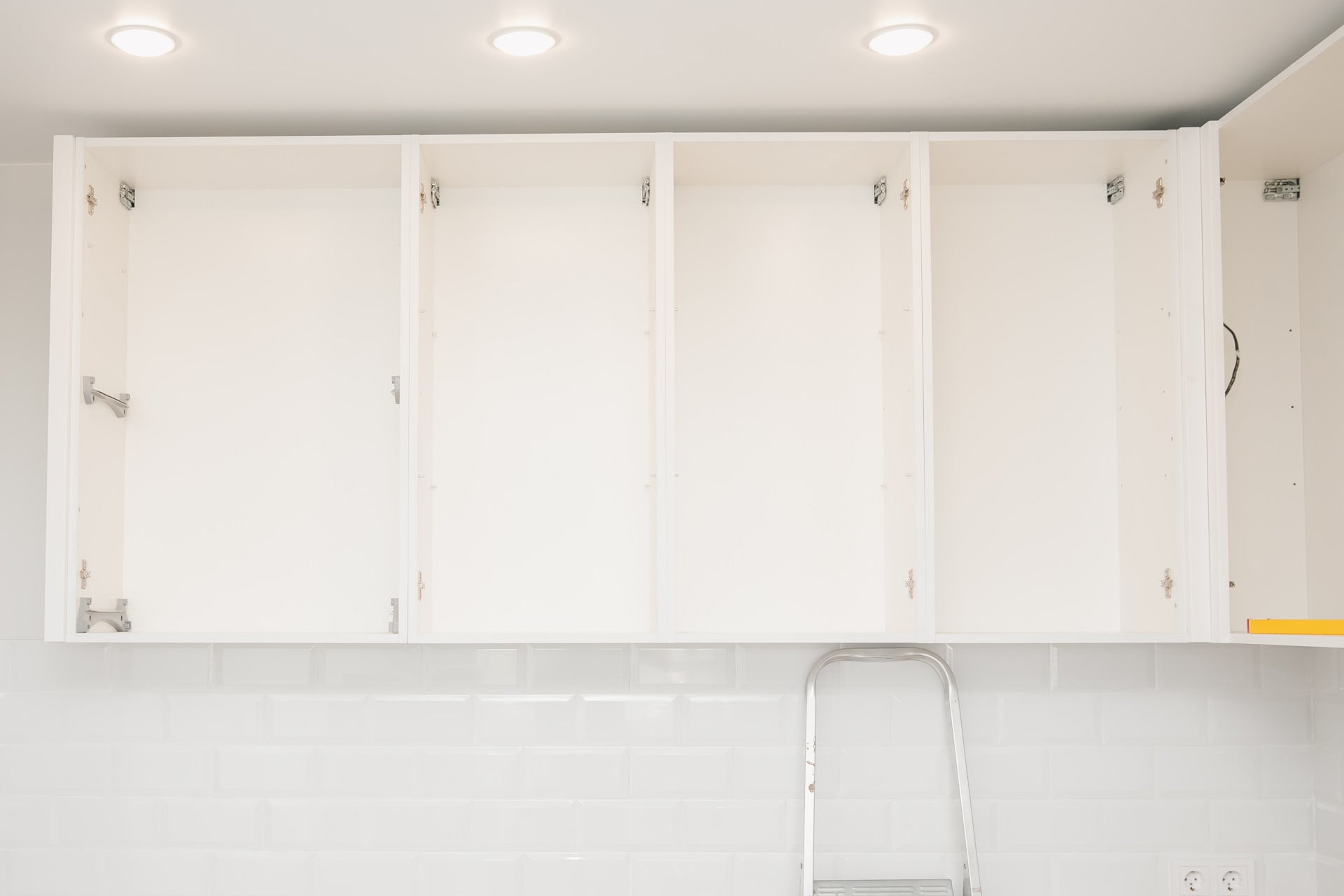
Ready-to-assemble kitchen cabinets arrive at your door in flat-packed boxes with all the hardware and instructions you need to put them together. Unlike pre-assembled cabinets that show up fully built, RTA cabinets require assembly before installation.
Think of it like IKEA furniture, but designed specifically for kitchens and built to professional standards. You're essentially cutting out the labor cost of factory assembly and doing that work yourself (or hiring someone to do it).
The flat-pack shipping method creates significant savings. A fully assembled cabinet takes up much more space during shipping, which drives up freight costs dramatically. When cabinets ship flat, more units fit on each truck, and you don't pay for shipping air.
Modern RTA kitchen cabinets typically feature either frameless or face-frame construction. Frameless cabinets (also called European-style or full-access cabinets) offer more storage space and a contemporary look. Face-frame cabinets include a frame around the cabinet opening and tend to have a more traditional appearance.
RTA vs. Pre-Assembled Cabinets: What's the Real Difference?
The main distinction is obvious: one requires assembly, the other doesn't. But the implications go deeper than just the time you spend with a drill.
- Pre-assembled cabinets arrive ready to install. You're paying for the convenience of factory assembly, which adds labor costs to the final price. These cabinets also face more risk of damage during shipping since they're fully constructed when they travel.
- RTA cabinets shift the assembly responsibility to you. This saves money but requires either your time or the cost of hiring someone to assemble them. The components are typically better protected during shipping since they're packed flat and secured in boxes.
Quality-wise? There's no inherent difference. A well-made RTA cabinet can match or exceed a pre-assembled cabinet in durability and construction. The quality depends on the materials, hardware, and manufacturing standards (not whether it's assembled at the factory or in your kitchen).
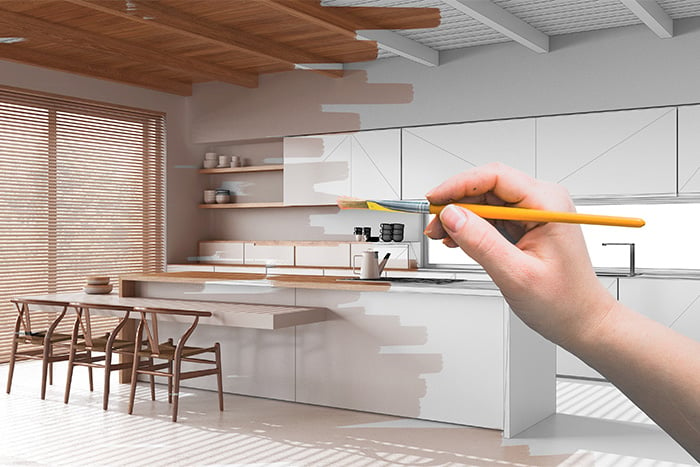
Upgrade to Modern Euro-Style Kitchen Cabinets!
Sleek designs and premium quality to transform your kitchen.
Types and Styles of RTA Kitchen Cabinets
RTA cabinets come in virtually every style you'd find in traditional cabinetry. Your choice depends on the aesthetic you're after.
Traditional Styles
- Shaker cabinets remain popular for their clean lines and versatility. The five-piece door with a recessed center panel works in both traditional and transitional kitchens. Many RTA manufacturers offer shaker doors in various wood species and painted finishes.
- Raised panel doors create a more ornate, traditional look with their dimensional center panel. These work well in classic kitchen designs but can feel dated in contemporary spaces.
Modern and Contemporary Options
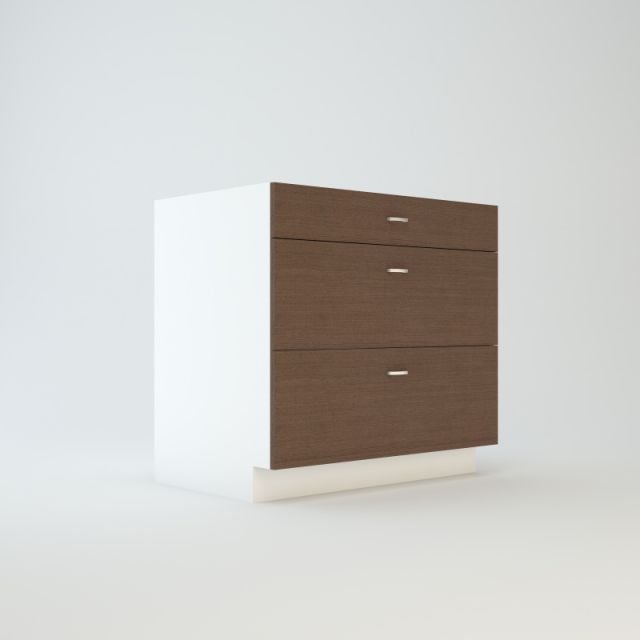
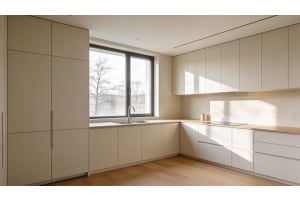
- Flat panel doors (also called slab doors) feature a single, smooth surface with no frames or decorative elements. This minimalist approach defines modern kitchen design and creates a streamlined look.
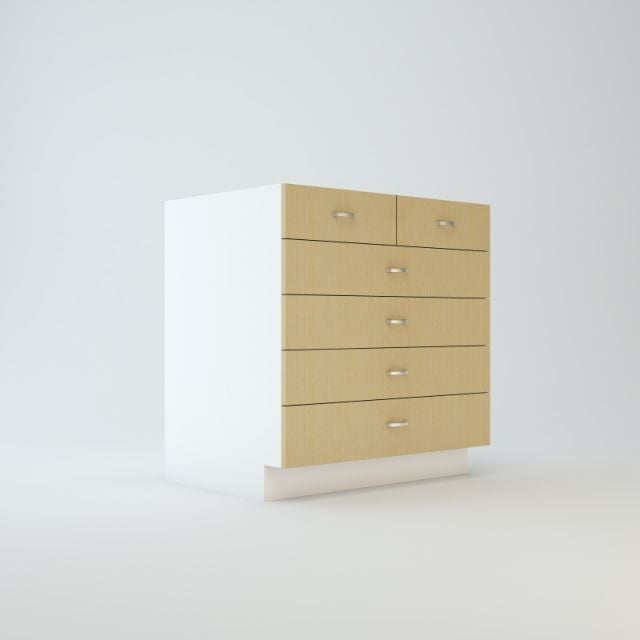
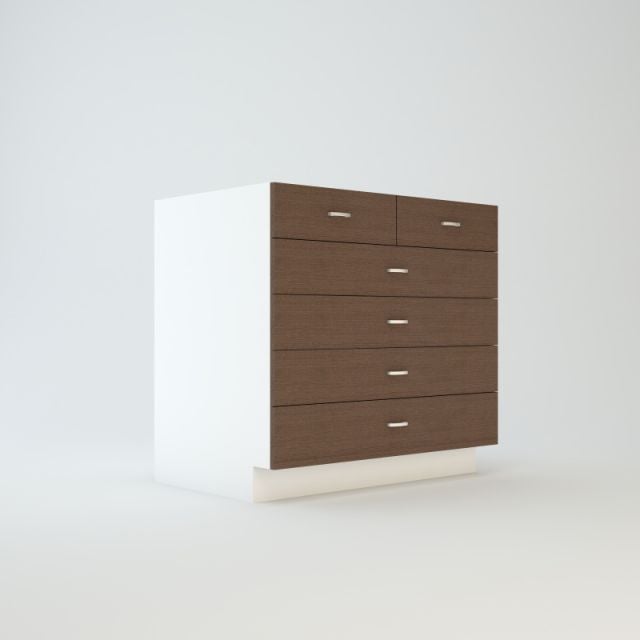
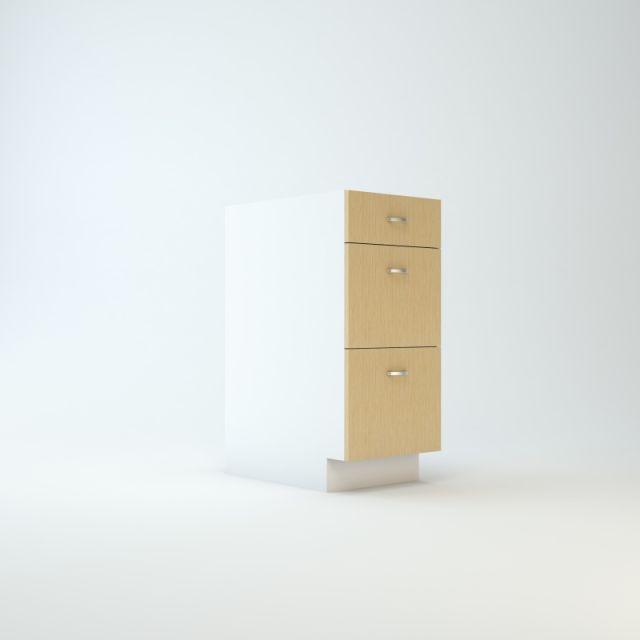
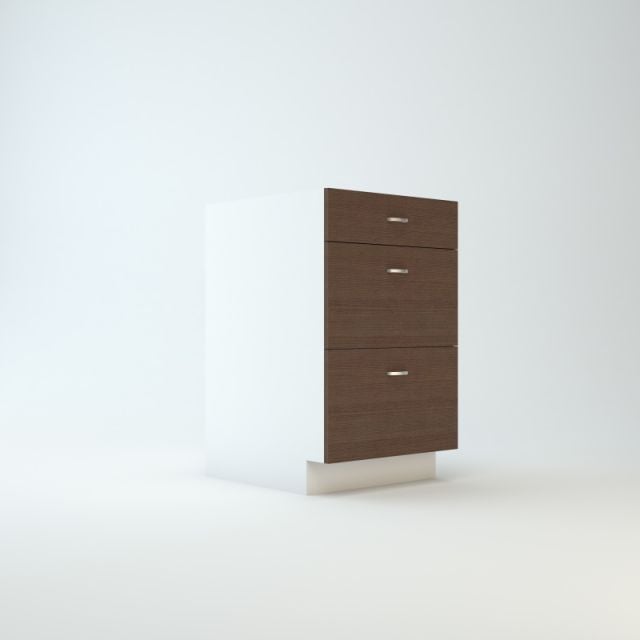
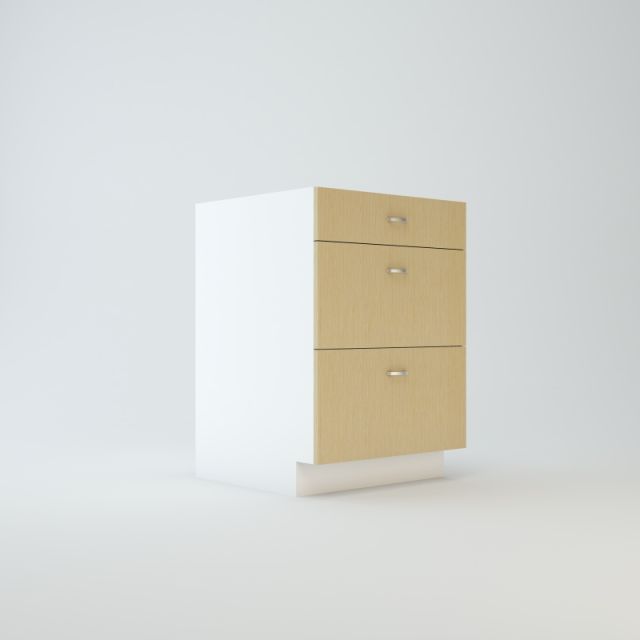
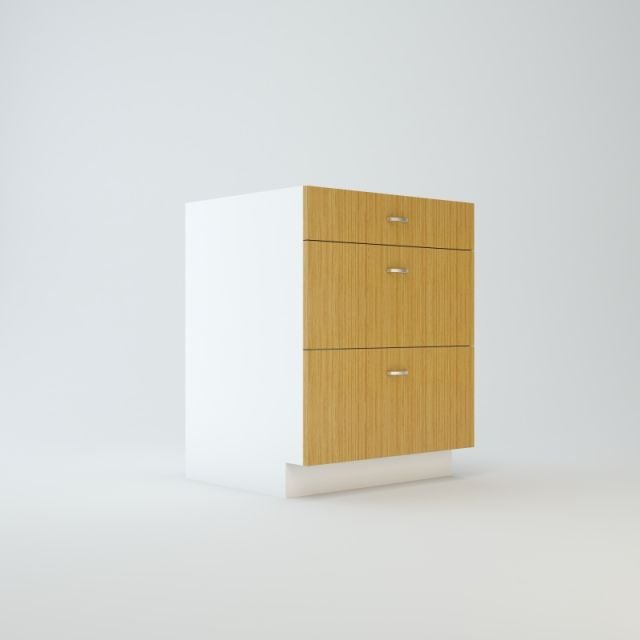
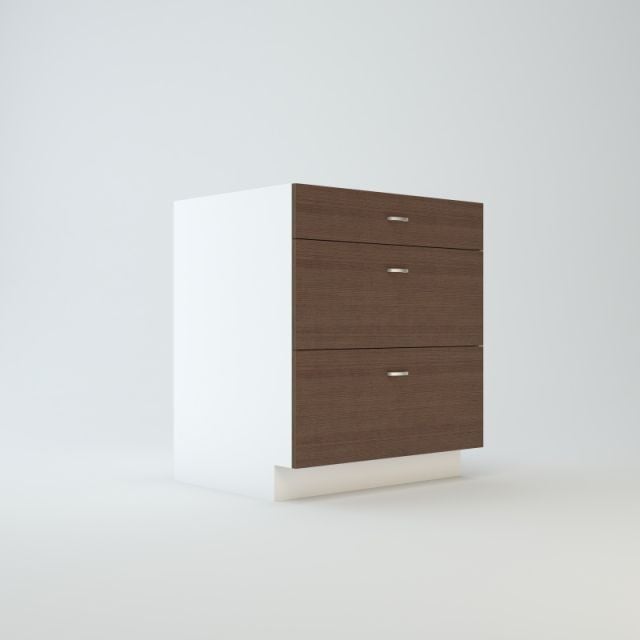
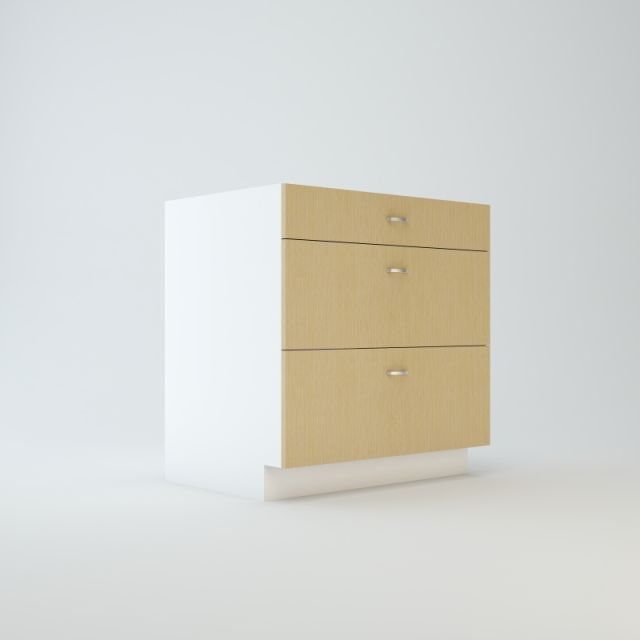
At 27eStore, our specialty is modern flat-panel cabinets with frameless construction. We offer these in wood veneer, high-pressure laminate (HPL), and lacquer finishes. Each material brings different benefits: wood veneer adds natural warmth, HPL provides exceptional durability, and lacquer delivers a smooth, furniture-quality finish.
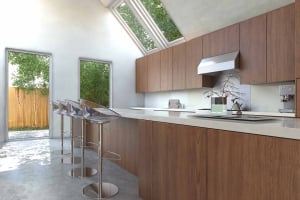
- Textured finishes have gained popularity in modern kitchens. Options like wood grain patterns in HPL or natural oak veneers add visual interest while maintaining clean lines.
Door Materials and Finishes
The door material affects both appearance and durability. Common options include:
- Solid wood: Often oak, maple, or birch. Provides authentic wood character but costs more and can warp with humidity changes
- MDF with veneer or laminate: Stable, customizable, and cost-effective. Modern manufacturing makes MDF cores extremely durable when properly finished
- High-pressure laminate: Highly durable, moisture-resistant, available in countless colors and patterns
RTA Cabinet Construction: Box Materials and Quality
The cabinet box (the part you don't see once installed) matters just as much as the door style. This is where construction quality separates budget cabinets from professional-grade cabinetry.
Box Materials
- Plywood was once considered the gold standard for cabinet boxes. It resists moisture well and holds screws securely. However, quality varies significantly between plywood grades.
- Particle board gets a bad reputation, but modern particle board used in quality cabinetry performs exceptionally well. When properly finished and sealed, particle board provides excellent screw-holding strength and dimensional stability. The key is density and surface preparation.
- MDF (medium-density fiberboard) offers a smooth, stable substrate that doesn't expand and contract with humidity changes as much as solid wood. This stability makes it ideal for painted finishes and veneer applications.
At 27eStore, we use particle board and MDF cores with premium surface materials. This combination provides stability, strength, and the smooth finish required for modern designs.
Order kitchen cabinets sample to see the quality firsthand!
Construction Methods
The way cabinet components connect determines long-term durability.
- Dado joints create a groove that accepts another panel, providing strong mechanical connection and glue surface area.
- Dowel and cam lock systems are common in RTA cabinets. Metal cam locks pull components together tightly and can be adjusted if needed. Quality matters here: heavy-duty cams and thick dowels create rock-solid connections.
- Stapled and glued construction is the budget approach. While it works for some applications, it won't match the strength of mechanical fasteners.
Ask for adjustable legs or mounting systems that make leveling easier during installation. This feature saves significant time and frustration.
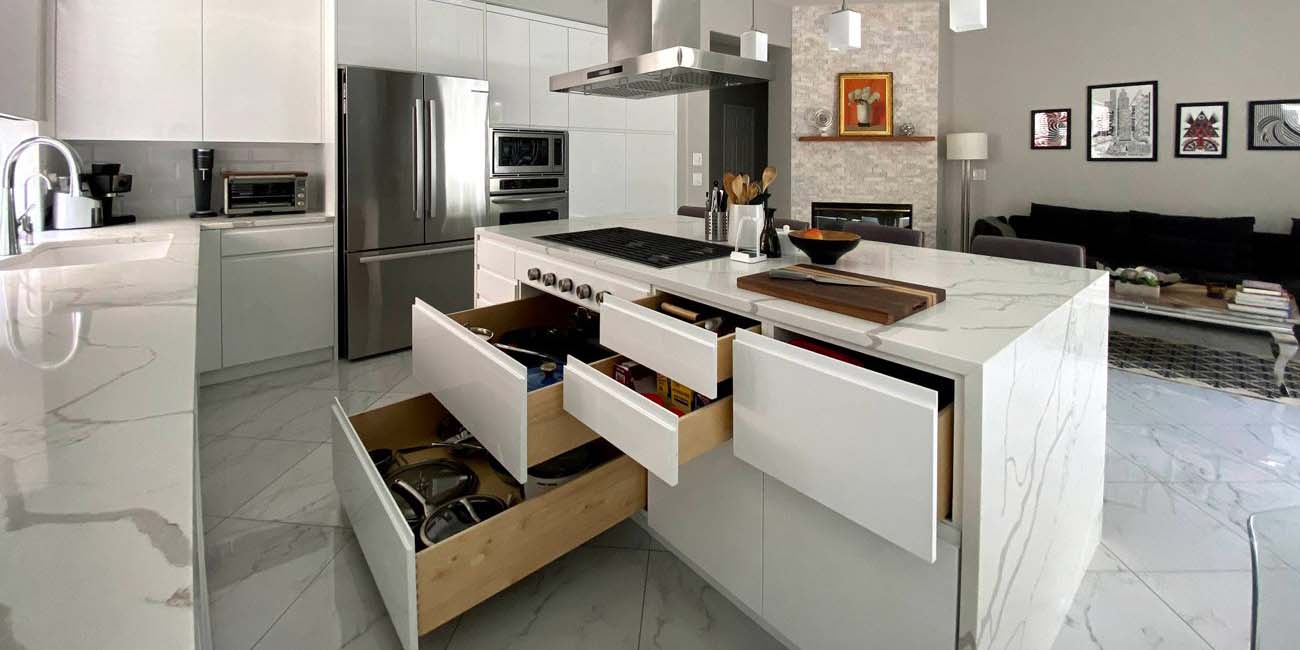
Upgrade Your Kitchen with Our Premium Cabinet Doors!
Discover a wide range of styles and finishes to suit your taste.
Assembly: Is It Really That Difficult?
The assembly process varies based on cabinet design, but most modern RTA cabinets are designed for straightforward assembly.
What to Expect
A typical base cabinet takes 20-30 minutes to assemble once you understand the system. Wall cabinets are usually faster since they're smaller. Your first cabinet will take longer as you learn the process, but assembly speeds up considerably after that.
Most manufacturers provide detailed instructions with diagrams. Some include assembly videos online. The process generally involves:
- Laying out all components and hardware
- Inserting dowels and cam locks into pre-drilled holes
- Assembling the cabinet box
- Attaching the back panel
- Installing drawer glides or shelf pins
- Hanging doors and drawers
Common Assembly Tips
Start with a clean, flat surface (a couple of sawhorses with a sheet of plywood works great). Organize hardware into small containers so nothing gets lost. A power drill with adjustable torque settings makes assembly much faster than hand tools, but don't overtighten cam locks.
Check that boxes are square before the glue sets. Measure diagonally from corner to corner; the measurements should match if the box is square.
When to Hire Help
If you're comfortable with basic tools and following instructions, you can handle RTA assembly. Many homeowners successfully assemble their own cabinets and either install them or hire a carpenter just for installation.
Consider hiring help if you're ordering a full kitchen's worth of cabinets and don't want to spend multiple weekends assembling. Some installers offer assembly services, or you might find a handyman who charges reasonable rates.
Cost Considerations: How Much Do RTA Cabinets Save?
The cost advantage of RTA cabinets is real, but understanding where savings come from helps set realistic expectations.
What Affects RTA Cabinet Pricing
Several factors determine what you'll pay:
- Box material and thickness - Thicker materials and higher-grade substrates cost more but provide better durability.
- Hardware quality - Soft-close hinges, full-extension drawer glides, and adjustable mounting systems add to the cost but improve daily function.
- Finish type - Basic melamine finishes cost less than wood veneer, HPL, or lacquer options. The number of finish coats and UV protection also affects pricing.
- Customization - Standard sizes typically cost less than custom dimensions. The ability to order exact sizes for your space often justifies a higher price point by eliminating filler pieces and waste.
- Door style complexity - Simple flat-panel doors generally cost less than multi-piece designs with detailed profiles.
Budget vs. Premium Options
RTA cabinets span a wide price range. Budget options focus on basic functionality with simpler construction and standard finishes. Premium RTA cabinets offer better hardware, more finish choices, custom sizing, and construction that rivals fully custom cabinetry.
The key is matching your budget to your priorities. If you're remodeling a rental property, budget cabinets might make sense. For your forever home, investing in quality construction and finishes you truly love pays off over decades of use.
Comparing RTA to Other Options
Generally speaking, RTA cabinets cost less than comparable pre-assembled cabinets since you're not paying for factory assembly labor. Custom cabinetry from a local cabinet shop will typically cost significantly more than RTA options, though you get personalized service and truly bespoke designs.
The best approach? Get quotes from several RTA suppliers for your specific project. Prices vary by manufacturer, and what's considered "budget" vs. "premium" changes based on where you're shopping.
Installation Costs
Professional installation adds to your total project cost. Rates vary significantly by geographic location and installer experience. Complex kitchen layouts, custom sizing, or challenging installation conditions (like older homes with uneven walls) increase installation time and cost.
Many homeowners successfully install their own RTA cabinets to save money. If you're handy with tools and comfortable following detailed instructions, DIY installation is absolutely doable. Otherwise, factor installation into your budget planning.
Get specific quotes from installers in your area before making assumptions about installation costs. Some offer assembly as part of installation, while others charge separately.
Hidden Costs to Consider
Don't forget about accessories and finishing details:
- Crown molding and trim
- Cabinet lighting
- Organizational inserts (pull-out shelves, dividers, etc.)
- Touch-up materials for any dings during assembly or installation
Refresh Your Bathroom with Our Frameless Vanities!
Modern aesthetics meet practical storage solutions.
Durability and Longevity: How Long Do RTA Cabinets Last?
A quality RTA cabinet should last as long as a quality pre-assembled cabinet. The assembly method doesn't inherently create a weaker product.
What determines longevity:
- Hardware quality: Cheap hinges and drawer glides fail first. Look for soft-close hinges rated for 50,000+ cycles and full-extension drawer glides with ball-bearing systems.
- Construction method: Mechanical fasteners (dowels, cam locks, confirmat screws) create stronger joints than staples and glue. Properly assembled connections won't fail.
- Finish quality: The surface coating protects the underlying material from moisture and wear. Multiple coats of high-quality finish significantly extend cabinet life.
- Installation quality: Even the best cabinets perform poorly if improperly installed. Proper leveling, secure mounting, and correct door adjustment are essential.
With quality construction and proper care, RTA cabinets easily last 20+ years. Many homeowners remodel for style reasons long before RTA cabinets show significant wear.
Advantages of Ready-to-Assemble Cabinets
Beyond the obvious cost savings, RTA cabinets offer several practical benefits:
- Flexible ordering: You can order exactly what you need without meeting minimum order quantities common with custom shops.
- Fast delivery: Since cabinets ship flat, they're often in stock and ready to ship quickly. Custom cabinets typically require 3-4 week lead times.
- Easier transport: Flat boxes fit in a pickup truck or SUV. You don't need special equipment or freight delivery for small projects.
- Remodel-friendly: For phased renovations, you can order and install one section at a time without waiting for the entire kitchen to be ready.
- Custom sizing available: Many RTA manufacturers (including 27eStore) offer custom dimensions so your cabinets fit your exact space without fillers and compromises.
Disadvantages and Limitations of RTA Cabinets
Being honest about the downsides helps you make an informed decision.
- Assembly required: This is the obvious trade-off. Assembly takes time and requires some tool skills. If you're not comfortable with basic assembly, you'll need to hire help.
- Quality varies significantly: The RTA market ranges from big-box store budget options to premium manufacturers. Research is essential.
- Shipping damage risk: While components are generally well-protected, shipping damage can occur. Inspect everything upon delivery and report issues immediately.
- Limited on-site customization: Once cabinets are ordered, changes are difficult. Accurate measurements before ordering are critical.
- Assembly errors possible: Incorrect assembly can affect door alignment, drawer function, and structural integrity. Following instructions carefully matters.
Custom RTA Cabinets vs. IKEA: What's the Difference?
IKEA deserves specific mention since many people compare all RTA cabinets to the Swedish furniture giant.
IKEA cabinets use a frameless system (similar to European-style cabinets) with melamine-covered particle board boxes. The SEKTION system offers good value and integrates with IKEA's organizational accessories ecosystem.
However, IKEA cabinets come in fixed sizes with limited customization. You adapt your kitchen to IKEA's dimensions rather than getting cabinets sized for your space. Door style options are also limited compared to specialized RTA cabinet manufacturers.
Quality-wise, IKEA cabinets are solid for the price point. They're designed for reasonable durability with standard hardware. However, they're optimized for mass production and affordability rather than long-term performance or custom features.
Specialized RTA manufacturers often offer better hardware, more finish options, custom sizing, and higher-grade materials. You pay more than IKEA prices but typically get cabinets that better match custom specifications and quality.
Choosing the Right RTA Cabinets for Your Project
With so many options, how do you pick the right cabinets?
Define Your Style First
Are you going for traditional, transitional, or modern? This narrows down door styles and finishes immediately. Don't try to make a shaker cabinet work if you want a contemporary kitchen, or force a flat panel door into a classic design.
Measure Carefully (Twice)
Accurate measurements are non-negotiable. Measure your wall space, ceiling height, and any obstacles (windows, outlets, vents). Account for appliance dimensions and door swing clearances.
Many online retailers offer kitchen planning tools or services. Take advantage of these. A professional designer can spot issues you might miss.
Evaluate Construction Quality
Read detailed product descriptions and look for:
- Box material thickness (3/4" is standard with 27estore)
- Hardware specifications (soft-close hinges, full-extension glides)
- Finish details (number of coats, UV resistance for some materials)
- Warranty coverage
Read Real Reviews
Customer reviews reveal real-world experiences with assembly, quality, and customer service. Look for patterns rather than individual complaints. Every manufacturer has an occasional quality issue; what matters is how they handle it.
Consider Customization Options
If your kitchen has unusual dimensions or you want specific sizing, verify whether the manufacturer offers custom options and how much they cost.
At 27eStore, customization is our specialty. Our cabinets come in custom sizes, and we offer various materials and finishes to match your exact vision for a modern kitchen.
Refresh Your Bathroom with Our Frameless Vanities!
Modern aesthetics meet practical storage solutions.
Frequently Asked Questions
What is the downside of RTA cabinets?
The main downside is assembly time and effort. You'll spend hours putting cabinets together, and mistakes during assembly can affect performance. Quality also varies widely across manufacturers, so research is essential. If you're not comfortable with tools or following detailed instructions, you'll need to hire assembly help.
Are RTA cabinets better than IKEA?
It depends on your priorities. IKEA offers excellent value with standardized sizing and an integrated accessories system. Specialized RTA manufacturers typically provide better customization, higher-grade materials, and more finish options. If you need custom sizes or specific modern finishes, dedicated RTA manufacturers like 27eStore offer more flexibility than IKEA's fixed dimensions.
How long do RTA cabinets last?
Quality RTA cabinets last 20+ years with proper care and installation. Durability depends on construction quality, hardware specifications, and finish durability rather than whether cabinets were assembled at a factory or on-site. The key is choosing well-constructed cabinets with quality hardware and having them properly installed.
Can I install RTA cabinets myself?
Yes, many homeowners successfully install their own RTA cabinets. The process requires basic carpentry skills, appropriate tools (level, drill, stud finder), and careful attention to detail. Upper cabinets require a helper for safe installation. If you're unsure about installation but want to save money, consider assembling cabinets yourself and hiring a professional just for installation.
Making Your Decision
RTA cabinets offer an excellent middle ground between budget stock cabinets and expensive custom cabinetry. You get quality construction and (often) custom sizing without the premium price tag associated with fully custom work.
The key to success with RTA cabinets is choosing a reputable manufacturer that matches your style preferences and quality expectations. Don't assume all RTA options are the same. Research construction methods, read reviews, and understand exactly what you're getting.
If you're drawn to modern design with clean lines and customizable options, explore 27eStore's collection of frameless cabinets. Our modern flat-panel doors come in multiple materials and finishes, all sized specifically for your space.
Browse our modern RTA cabinet collection or visit our Las Vegas showroom to see materials and construction quality in person.