Built-in cabinetry in a mid century modern home is not furniture. It does not sit in the room, it is part of the room. The original designers of these homes treated storage as an architectural decision, resolved at the drawing board rather than chosen from a catalogue afterward. Getting the style right today means understanding those decisions and why they still hold up.
Start with the Right Door Profile for Mid-Century Modern
Interior design in the mid century period made one thing very clear about cabinetry: the door should be flat. A slab cabinet door with no frame, no rail, and no decorative routing is the starting point for any built-in that wants to read as genuinely mid-century modern. The moment a visible frame appears, the room moves in a different direction.
This is a design decision, not a compromise. The flat surface forces the material to carry the visual weight, and natural wood does this particularly well. The grain becomes the detail. In a room with good light, the way the oak shifts across the day is enough.
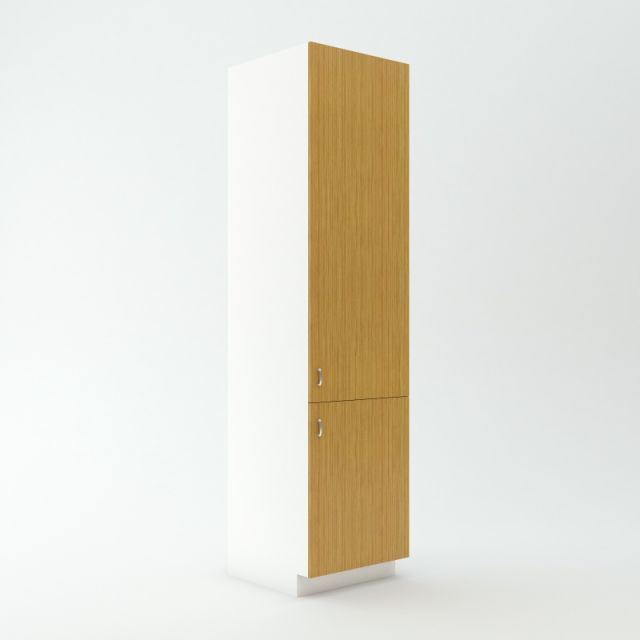
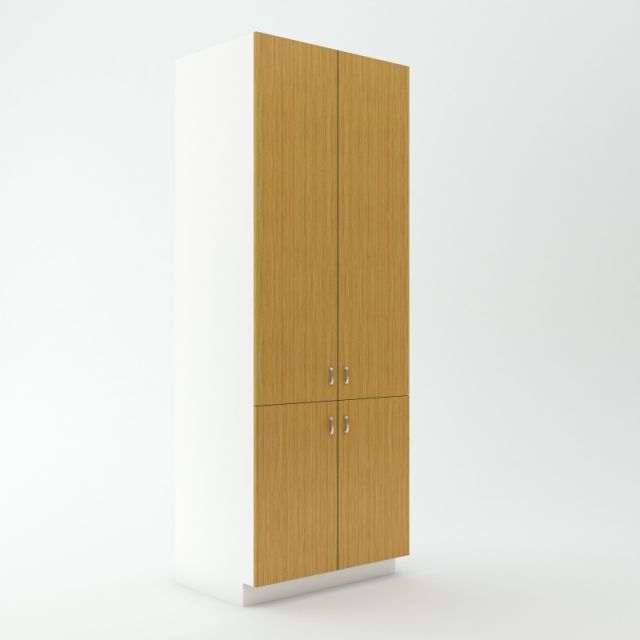
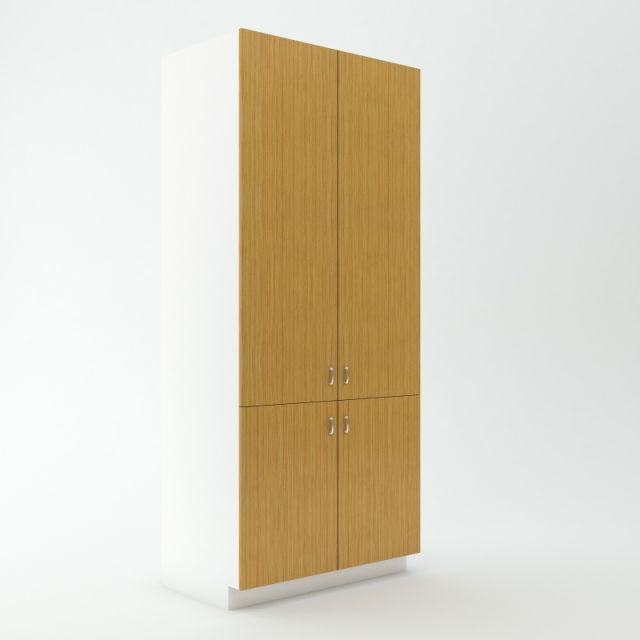
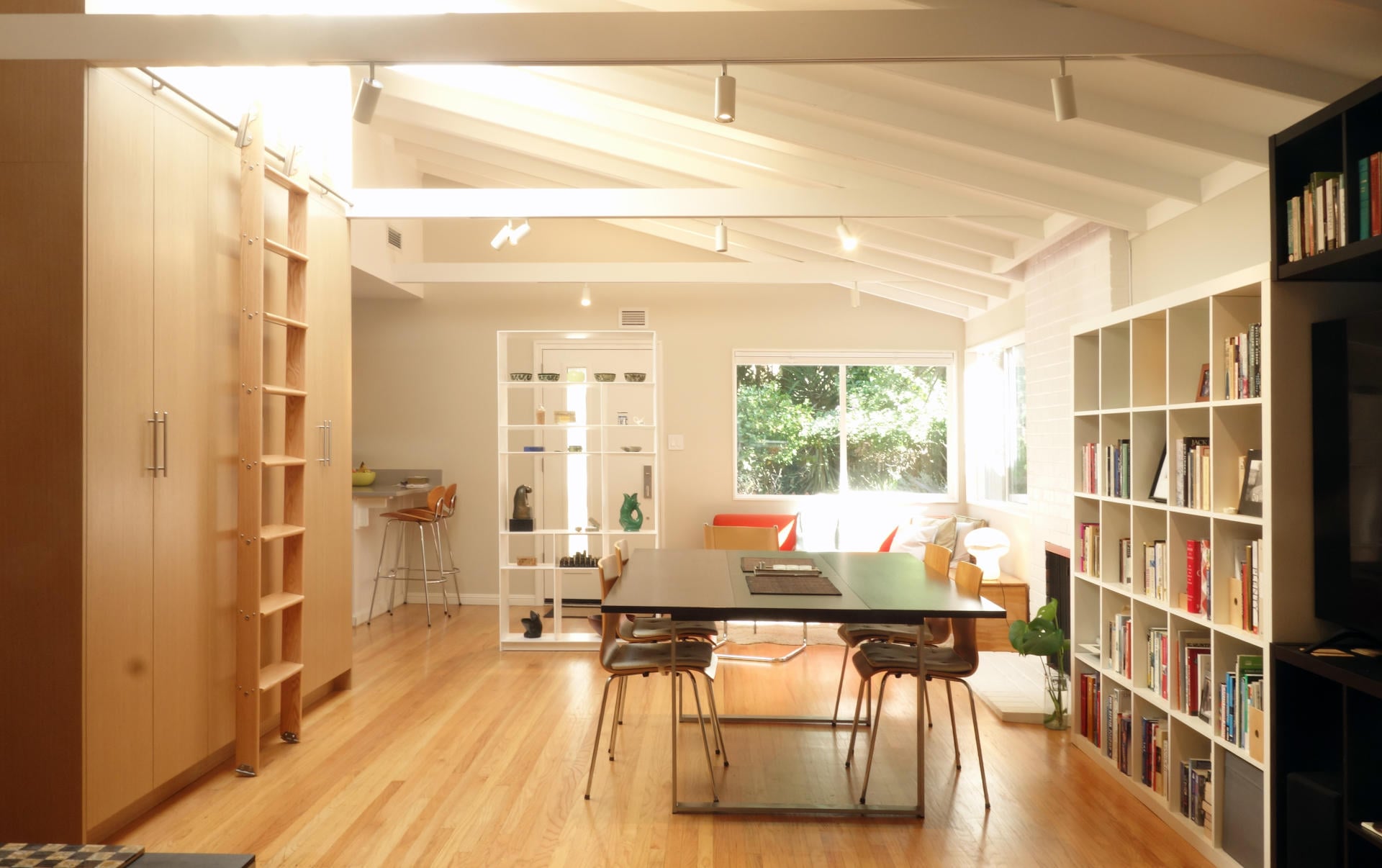
A real example of this working at scale is the light oak wood veneer slab cabinet doors used in a mid century modern home project at 27eStore. The floor-to-ceiling built-in cabinetry reads as part of the architecture because the flat profile allows it to.
Prioritize Natural Materials in Midcentury Living Spaces
Light wood is the defining material in mid century built-in cabinetry. Oak, walnut, and teak were the three species most associated with the original period. In a contemporary home, light oak sits at the right point in the tonal range: warm without going golden, natural without demanding attention.
Real wood veneer is the appropriate material because it behaves like wood. The grain varies between panels. The surface responds to light differently in the morning than it does in the afternoon. These are qualities that manufactured surfaces with printed grain patterns cannot replicate at close range, and they are part of what gives midcentury living spaces their particular warmth.
Alongside the wood, white or off-white surfaces are a natural partner. The combination appears consistently across mid-century modern interior design because each material has a distinct job: the wood provides warmth and texture, and the white provides the neutral ground that allows both to register clearly.
What to Display and What to Keep Behind Doors
The mix of closed cabinet doors and open shelving is one of the most important design ideas to get right in a built-in. Too much open storage looks cluttered. Too much closed storage looks blank. The balance that tends to work is roughly two-thirds closed cabinetry and one-third open sections, though the room and the height of the wall both influence the right split.
Objects on open shelving in a mid century built-in should be curated. A bookcase midcentury style is not a wall of random spines and stacked paperbacks. It is a deliberate composition: books organized by height or color, a few ceramics with simple forms, a sculptural object with enough presence to earn the space it takes up. The display is part of the modern design, not an afterthought.
Modern Furniture and Hardware Choices
Hardware in a mid century built-in is simple to the point of near-invisibility. Bar pulls in brushed nickel or matte chrome were common in the original period and remain the most straightforward choice. Integrated finger pulls, where a routed channel along the door edge replaces applied hardware, are the cleaner option when the goal is maximum restraint.
The modern furniture in the room should connect to the cabinetry through material or tone rather than through matching. A dining table in a warm wood that picks up the oak in the cabinet wall is more successful than trying to find pieces that replicate the exact grain. The relationship should feel considered, not coordinated.
Modern chairs with a simple profile and natural material, a sofa with clean lines and a single strong color, a pendant light with a geometric or organic form: these modern pieces complete the room without competing with the built-in cabinetry, which is already doing considerable visual work.
How Built-Ins Work in an Open Plan Home
When the storage wall faces an open living and dining space, scale is the critical variable. A partial-height cabinet run in a room with high ceilings looks like furniture pushed against a wall. Floor-to-ceiling cabinetry works with the architecture of the room, and in a vaulted space it fills the volume rather than leaving it empty above.
A rolling ladder system on a rail is both practical for reaching upper cabinet doors and visually connected to the MCM tradition of honest, functional detail. The hardware is visible because it has a job to do. The floor in front of the cabinet wall needs to stay clear enough that the ladder can move, which also keeps the room from feeling crowded.
Frequently Asked Questions
How do I make my kitchen look mid century modern?
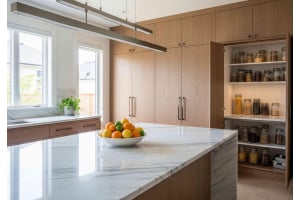
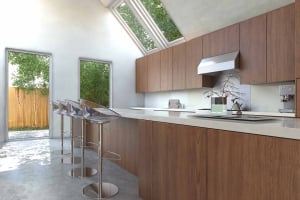
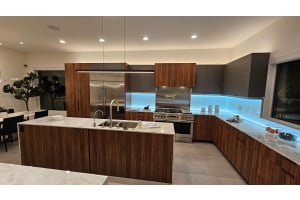
Start with the cabinet door profile. A flat slab door in a warm wood veneer or a clean matte lacquer changes the character of the space faster than any other single change. Pair it with simple bar pull hardware, keep the countertop clear, and choose one strong lighting fixture. Those four decisions cover most of the distance from a dated kitchen to a mid century modern one. For real-world examples, see our mid century kitchen makeovers.
What are 5 key elements of mid century modern decor?
Flat-front cabinetry, natural wood tones, statement lighting with a geometric or organic form, a restrained color palette with controlled accent colors, and a strong connection between the interior and the outdoors through large windows or open plan layout. The style is defined as much by what it leaves out as by what it includes.
A kitchen renovation follows many of the same principles. Some of the most compelling mid century kitchen makeovers start with a single material decision that changes how the entire space reads.