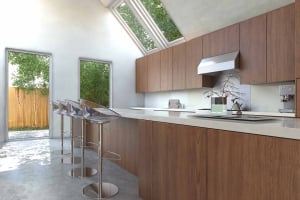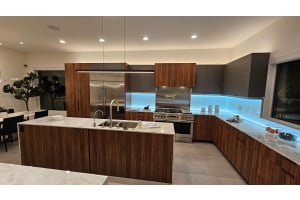
Most kitchen renovations are expensive and produce a result that looks like what it replaced. The projects that hold their visual appeal over time share one quality: a clear material decision made early and followed through consistently. Mid century kitchen design enforces this discipline well, because the style has specific ideas about what belongs and what does not.
What the Best Midcentury Modern Kitchens Have in Common
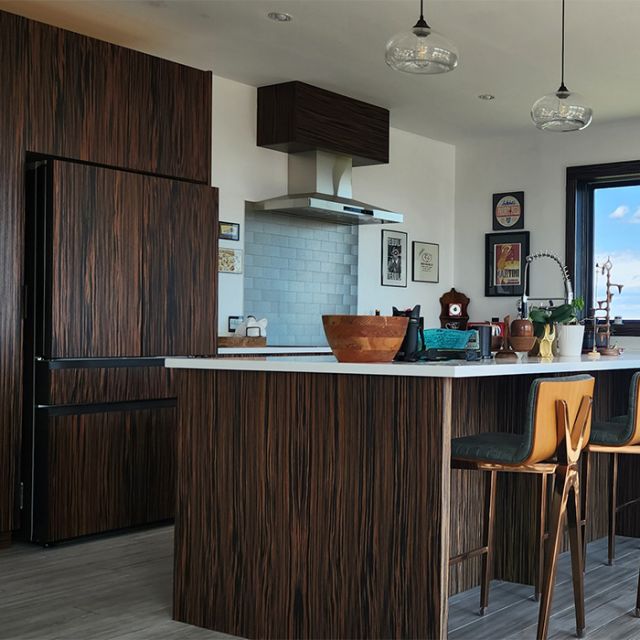
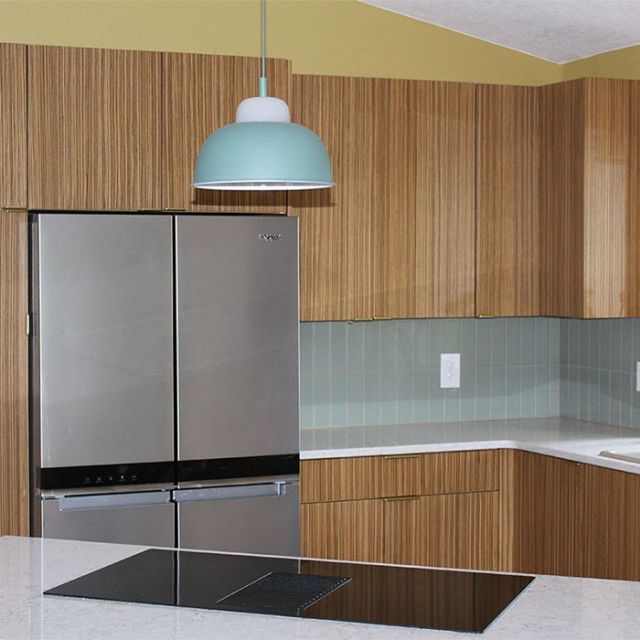
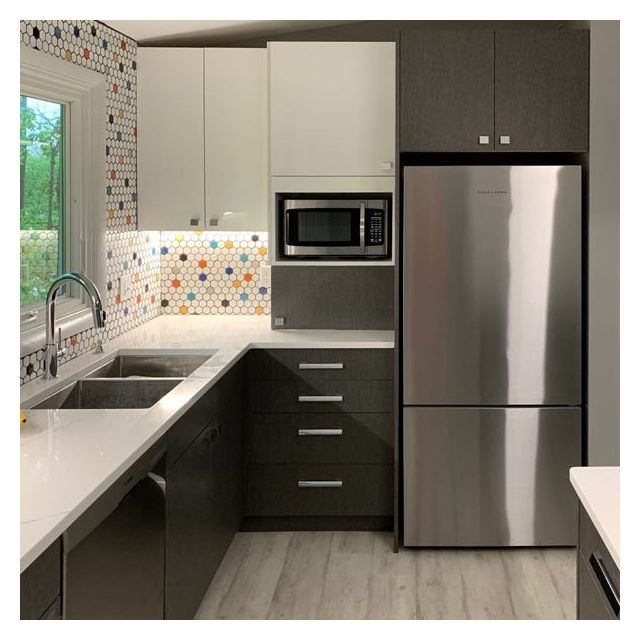
Flat-panel cabinets appear in every successful mid century kitchen remodel without exception. This is not a style preference, it is a structural requirement of the look. A framed or shaker door pushes the room in a different direction regardless of its color or finish. The door profile is the first decision, and it has to be right before any other choice can land correctly.
Beyond the door, the best midcentury modern kitchens share a light touch with color and a willingness to leave surfaces clear. The backsplash is not a statement. The hardware is simple and consistent. These are not shortcuts, they are the point. The ideas that make mid century kitchen design compelling are about restraint.
Kitchen Design Starts with the Cabinet Door
Most mid century kitchen makeovers that succeed do so because the homeowner changed the cabinet doors before anything else. The boxes behind the doors are usually structurally sound. The countertop, once changed, is rarely the problem on its own. But a framed door with decorative routing will undermine every other good decision in the room.
Flat-panel cabinets change the kitchen interior faster than a paint color, a backsplash tile, or new hardware. They are also the decision that is most directly undone if the direction changes, since the cabinet boxes remain and a different door can be ordered. This is why most renovation guides aimed at the mid century kitchen start here.
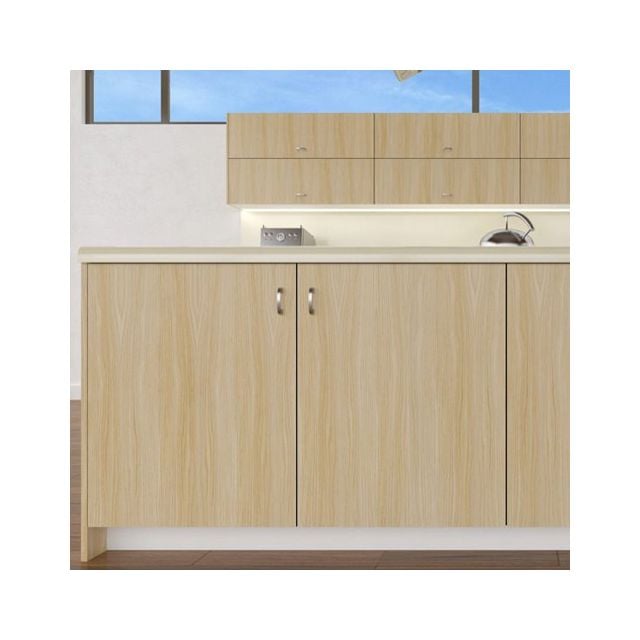
A useful reference point is the use of light oak cabinetry alongside traffic white lacquer in a mid century modern home project at 27eStore. The two finishes work together across a living space and kitchen because each material has a clearly defined role, and neither is overworked.
Wood Cabinets and White: A Kitchen Design Pairing That Holds
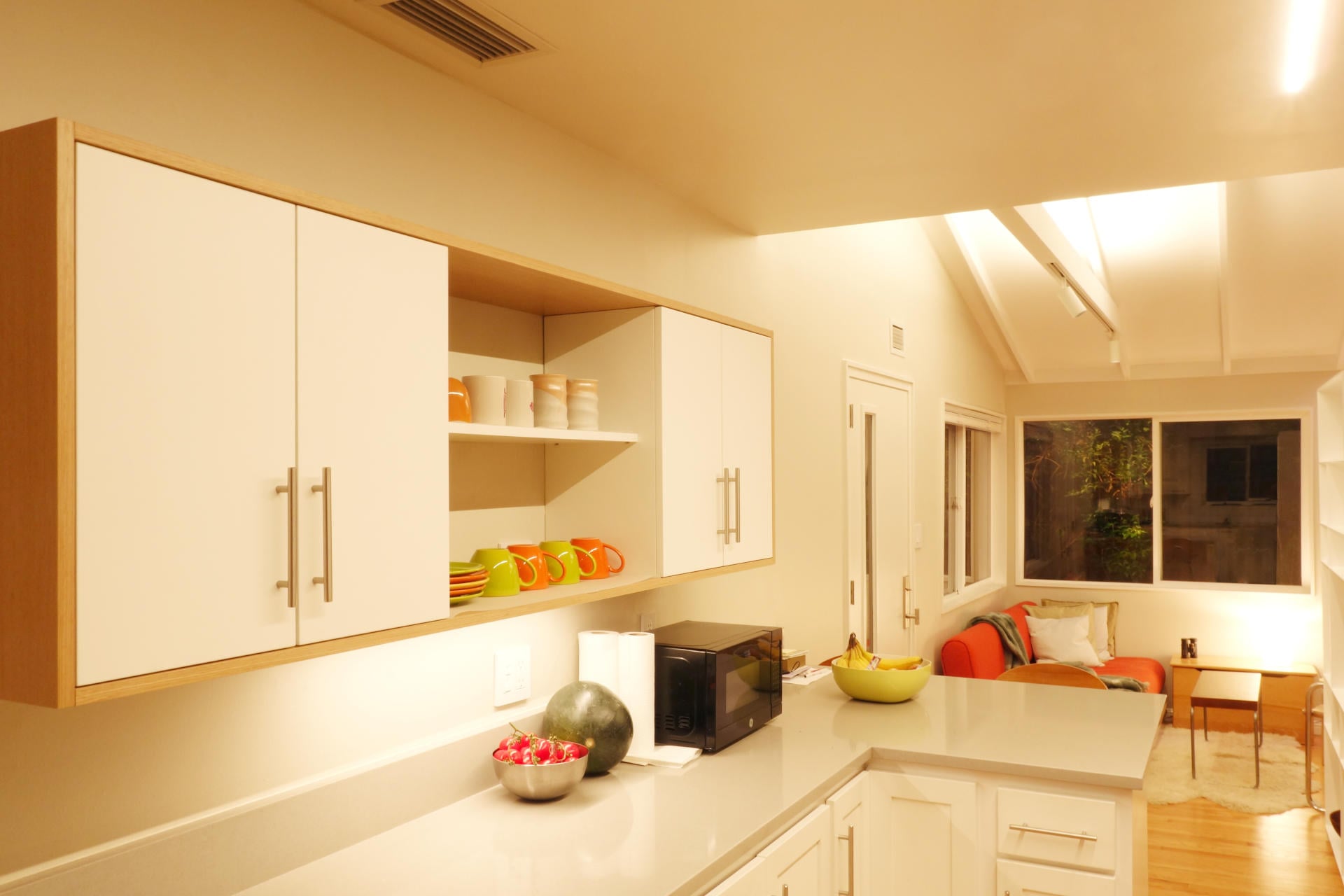
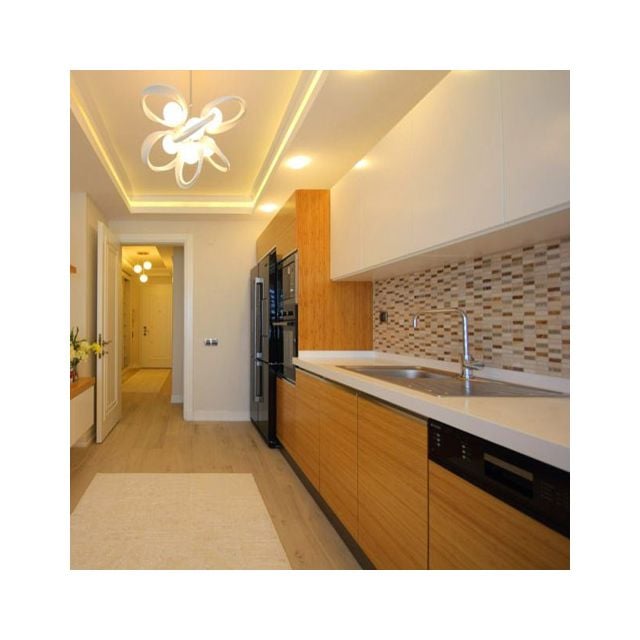
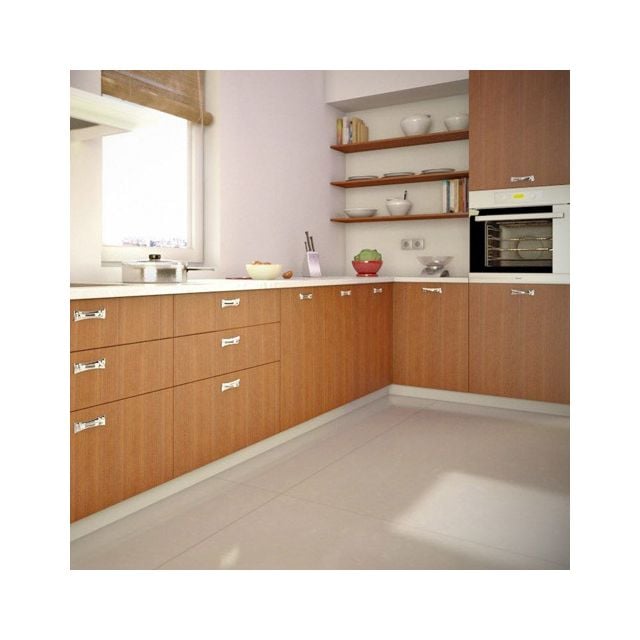
Warm wood cabinets against white surfaces is the most recurring pairing in mid century kitchen design, and it has been consistent for over seventy years. The reason is structural rather than fashionable: the two materials define each other. The white makes the wood look warmer and more intentional. The wood prevents the white from reading as cold or clinical.
In practical terms this means light oak, natural oak, or teak-toned cabinetry against a white quartz or painted countertop. The kitchen walls stay white or off-white. The backsplash tile, if used, is simple and small in scale. The restraint is the design, not a limitation of it.
What disrupts this pairing is introducing a third material that is neither warm nor neutral: a heavily veined dark stone, a patterned backsplash, or a strongly colored paint. Midcentury kitchens that fail usually do so by adding rather than editing.
Ideas for a Small Kitchen Remodel with Mid Century Character
A small kitchen benefits from mid century kitchen design ideas more than a large one, because restraint in a small room is not a sacrifice, it creates the impression of more space. A light wood tone on the cabinet fronts, a white countertop, and a simple backsplash tile in a neutral color produce more apparent room than almost any spatial intervention.
In a genuinely small mid-century kitchen, open shelving on one wall and flat-panel closed storage on the other often works better than attempting to fill every surface. The open wall gives the room somewhere to breathe. The living connection to an adjacent room, if there is one, becomes part of the kitchen's visual field rather than being closed off by upper cabinets.
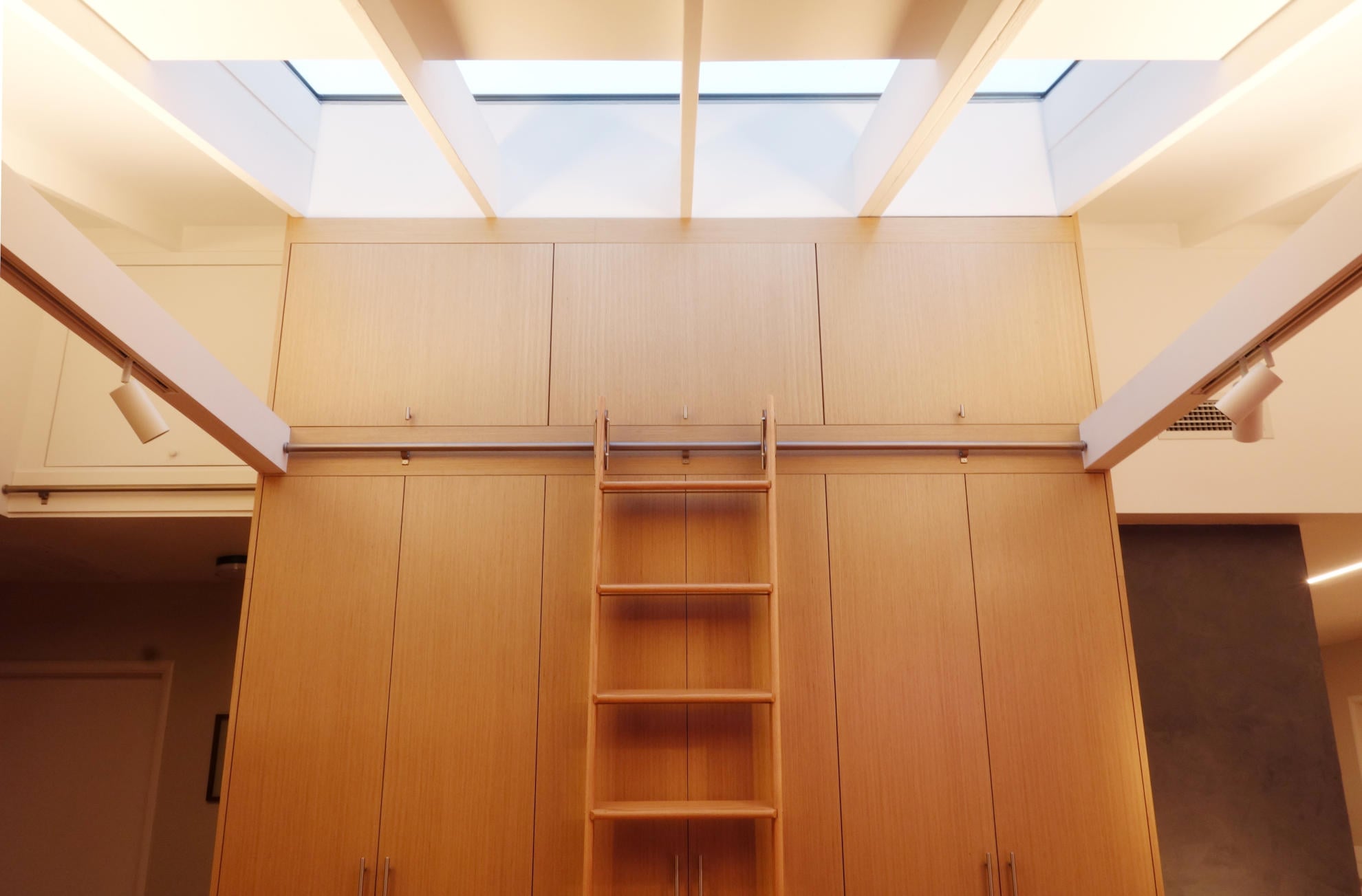
The floor-to-ceiling built-in cabinetry that appears in larger MCM homes applies the same logic at a different scale. Whether the room is a small kitchen or a large open plan living space, the principle of flat storage in the right material done at the correct scale always reads better than a compromise that tries to fill a space without committing to it. Thoughtful floor-to-ceiling built-in cabinetry and a well-resolved small kitchen makeover are solving the same problem.
Frequently Asked Questions
What color kitchen is in for 2026?
Natural wood tones are the strongest direction in kitchen design heading into 2026. Light oak and white oak finishes have shifted from being associated with dated 1990s kitchens to being the contemporary choice in MCM-influenced spaces. Paired with white surfaces and simple hardware, warm oak cabinetry gives a kitchen a grounded, livable quality that trend-driven finishes rarely sustain over time.
How do I make my kitchen look mid century modern?
Change the cabinet doors first. A flat slab profile in a warm wood veneer or matte lacquer is the single most impactful change in a mid century kitchen renovation. Follow with simple bar pull hardware and clear countertops, and most of the work is done. The rest is editing. There are also several other design elements that define the mid century kitchen worth considering before you finalize your plan.
Getting the door and the material right is the foundation, but there are several other design elements that define the mid century kitchen beyond the cabinet fronts, and each one reinforces the others.